
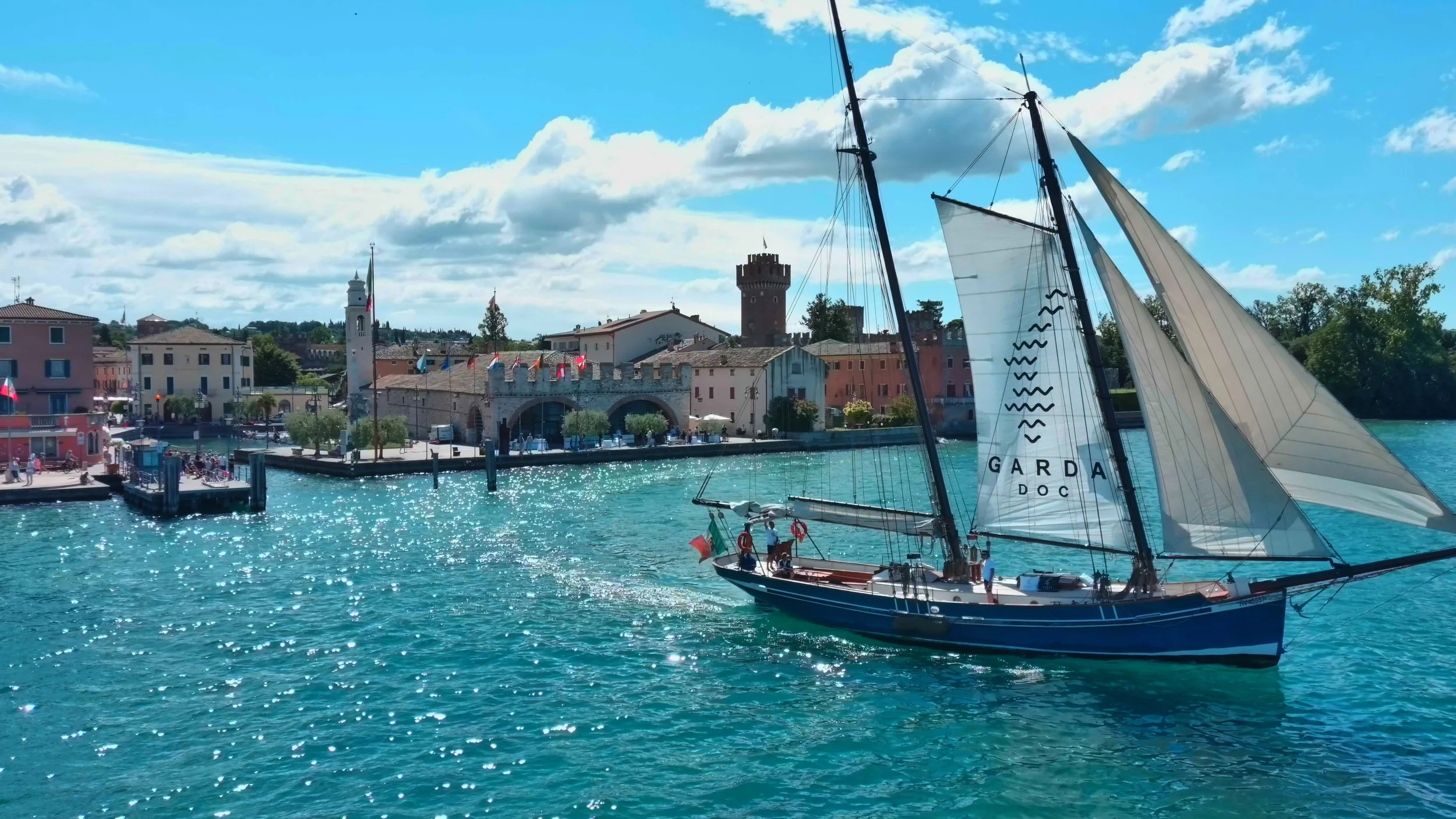
In recent years, Garda DOC has demonstrated a particular dynamism, paying close attention to the most current consumption trends. Now, its Consortium is going to make a significant impact at the second international wine exhibition of this year. after Wine Paris, ProWein 2026 in Düsseldorf (from 15 to 17 March) will see the Garda DOC Consortium with its first-ever dedicated institutional stand. A key highlight of their presentation is the introduction of a new production protocol that establishes Garda DOC as the first Italian denomination to include low-alcohol wines, featuring labels with an alcohol content of approximately 9% vol.
This strategic move aligns with modern consumer trends and the growing interest in lighter wines that maintain "flavor integrity" and "territorial identity". The Consortium reports strong momentum heading into 2026, following a successful 2025 where total bottlings reached over 23.3 million bottles, representing a 20% year-on-year growth. Established in 1996 and operating across the provinces of Brescia, Mantua, and Verona, this DOC continues to represent 250 producers dedicated to enhancing the unique viticulture of the Lake Garda region. “Taking part in this edition of ProWein represents a very important milestone for our appellation and for all the producers we represent. We are talking about one of the most significant events in the world of wine, and being here as a Consortium – created to protect, promote and enhance the excellence of our territory also in international contexts – is a source of great pride. It is a strong signal: the appellation is present and intends to be a protagonist,”states Paolo Fiorini, President of the Consortium, highlighting the strategic importance of this choice at a time when interest is growing in low‑alcohol products without giving up flavour and the connection with the territory.
From the current days to the ancient past - but with a contemporary care. A landmark partnership between the Pompeii Archaeological Park and the Tenute Capaldo Group (which includes Feudi di San Gregorio) is bringing viticulture back to the ancient city of Pompeii. The project involves planting a six-hectare vineyard with Greco and Aglianico grapes, which will be cultivated using entirely organic methods.
The initiative, supported by oenological expert Professor Attilio Scienza, seeks to promote wine as a cultural and sacred element rather than a mere commodity. By replanting vines on sites that were active vineyards two millennia ago, the project aims to recover the "vibrant culture" and patience of ancient winemaking. Beyond production, the project serves as a narrative of endurance for the wine industry, emphasizing sustainability and the long-term historical connection between the land and the vine.