
How was your week? If you haven’t had time enough to browse here and there in the sea of wine news, here are three of them that I chose four you.
Vulture is the Italian Wine Capital 2026. With this prestigious recognition, a position made official at the Italian Senate, Basilicata is placed at the center of the national wine scene.
The Region and its producers see this achievement not as a simple honorary award, but as a systemic responsibility that can help their agricultural product of excellence, like the Aglianico wine, in a lever of territorial and economic development. Through a strategic vision that integrates tourism, environment and cultural identity, regional institutions aim to create concrete opportunities for local communities and strengthen the international competitiveness of the Lucanian brand. The ultimate goal of the initiative is to use the prestige of the title to trigger sustainable growth that enhances the region's historical roots and projects it into the future.
The current wine consumption crisis in the United States is actually a shared issue, a negative trend that appears to hit the global market in 2025. However, despite the general contraction, the Italian wine sector has shown remarkable resilience, managing to overcome international competition and consolidate its leadership among imports. Italy has a “winning horse”: Prosecco and some fine reds that have allowed Italy to mitigate losses, even surpassing France in the sparkling wine segment. Nevertheless, the Italian producers have to face economic dynamics and protectionist challenges to maintain their competitiveness in the world's most important wine market.
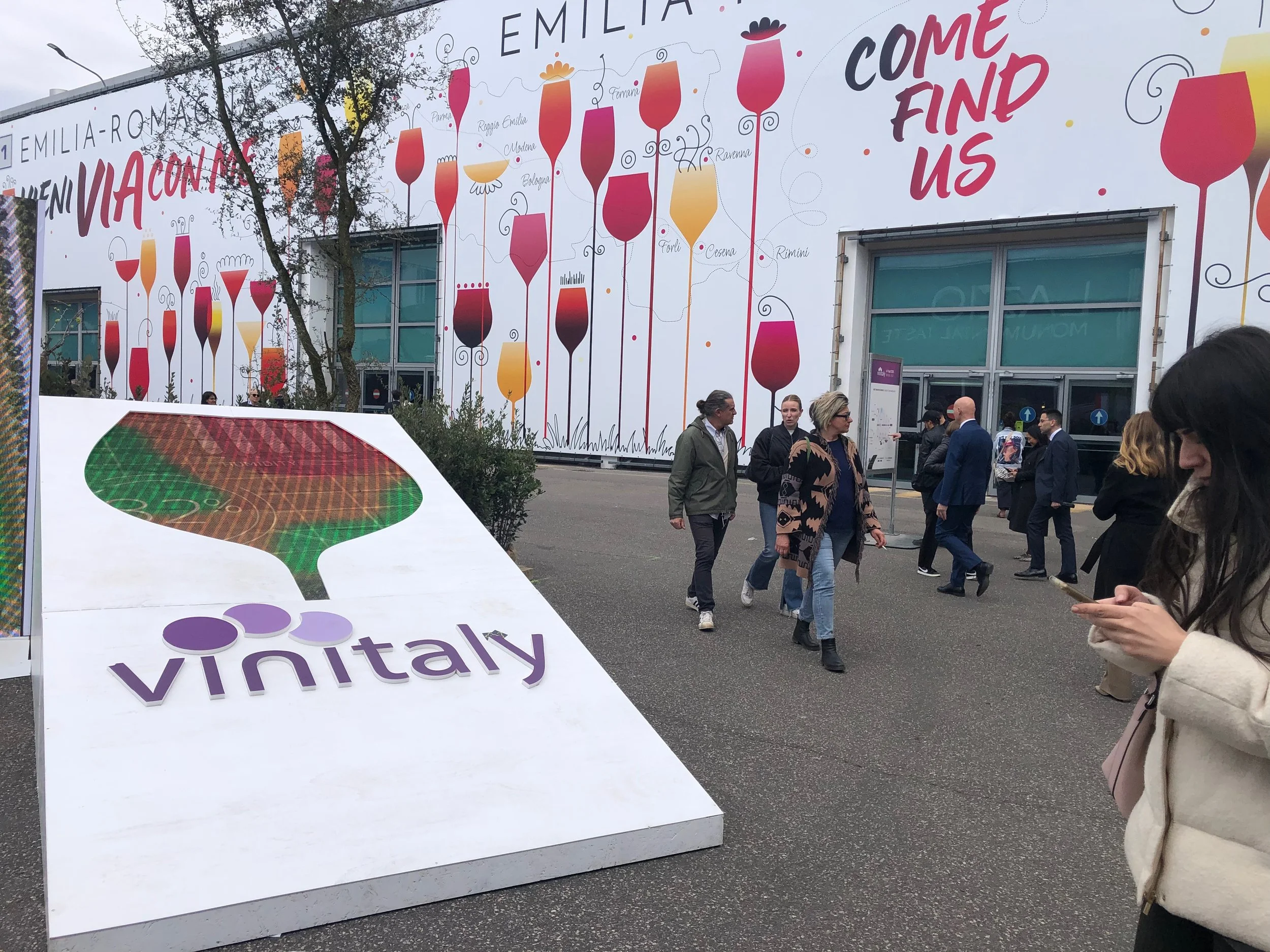
It’s only February, but people are already thinking and speaking about the next Vinital. The 2026 edition of the renowned International Exhibition of Wines and Spirits in Italy presents itself as a global strategic platform aimed at expanding the international trade and visibility of Italian wine by welcoming buyers from over seventy countries. The incoming Verona fair w– scheduled on 12th-15th April - will introduce innovative sections dedicated to low-alcohol wines and the world of spirits, also placing a strong emphasis on wine tourism as a driver of growth for the regions. In addition to describing the revamped regional exhibition layouts and digital networking tools, the article emphasizes the importance of side events like Vinitaly and the City, designed to engage enthusiasts and consumers in a widespread cultural experience. This way, Vinitaly confirms itself as an event that aims to combine the production excellence of Made in Italy with new market trends and increasingly interconnected business dynamics.